
PHILOSOPHY TALK - ECHOES OF REALITY
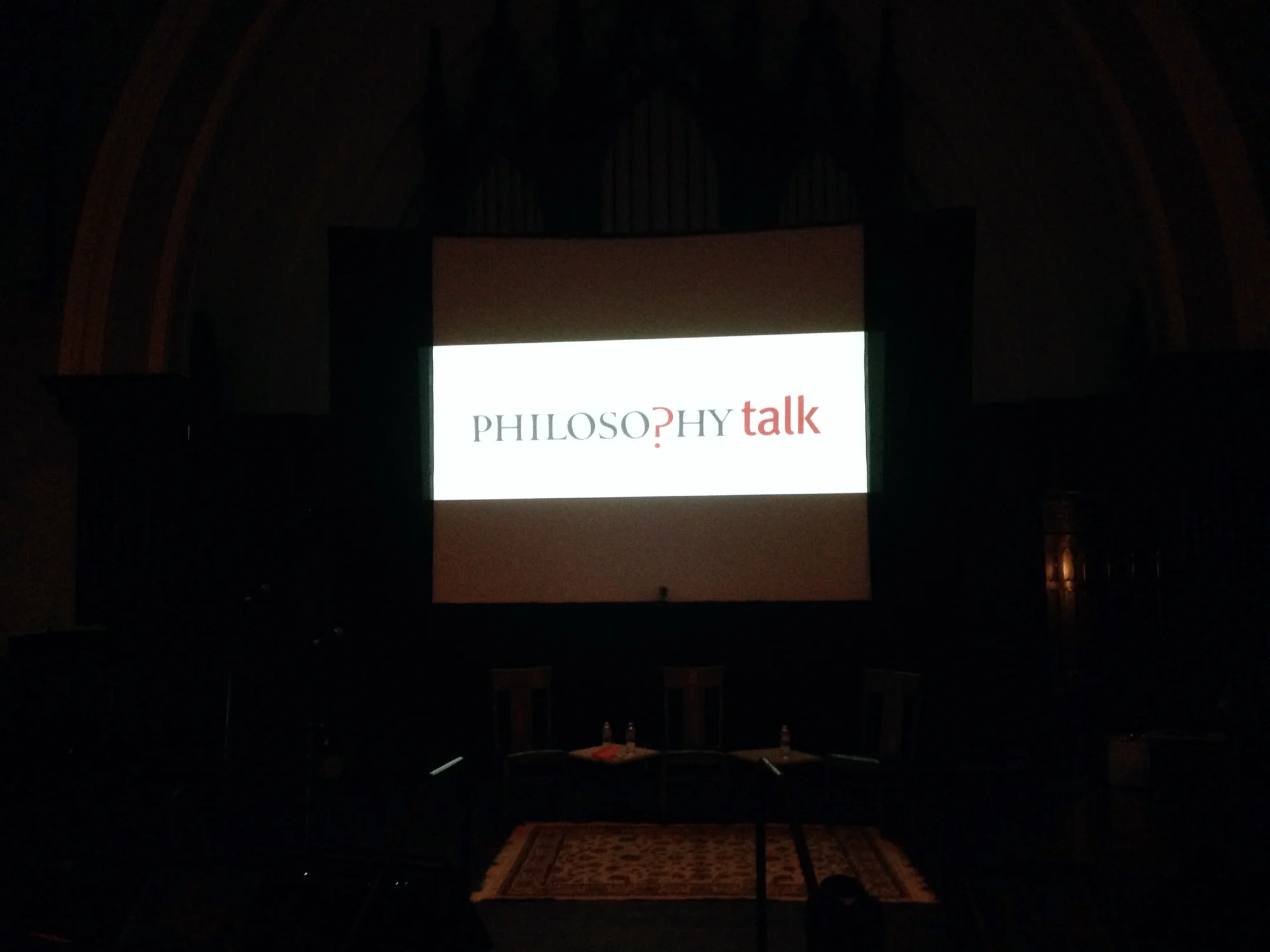
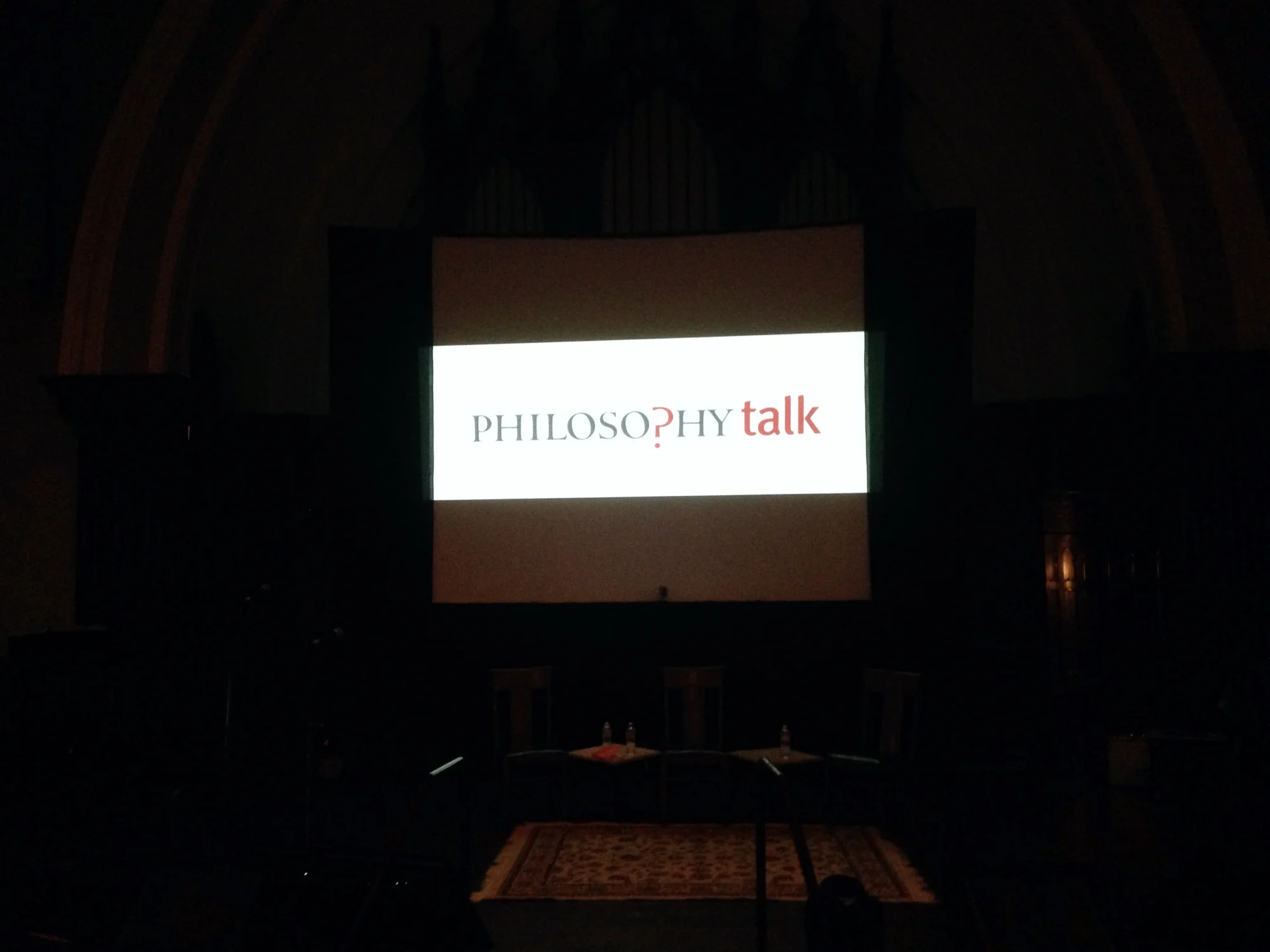
 “Romeo, Romeo! Wherefore art thou Romeo?” Hopefully this line resonates familiarity. Wild Bill Shakespeare, a poet’s poet, author of sonnets, plays, and widely regarded as the finest composer of the English language that this world has ever known, placed this now culturally implanted line in his tale of “two star-crossed lovers,” “Romeo and Juliet”. What this question should be asking however, is not where the pantyhose-wearing, family-fleeing, Romeo is, but rather, should more appropriately have been inquiring, “William, William, Wherefore art thou originality!” That play’s been done Bill, you didn’t fool anyone, in fact, the identical plot of Ovid’s “Pyramus and Thisbe” debuted over a millennia before Shakespeare’s theatrical release. The point is we humans have an irresistible ability to remix older, established material, and nurture our own creations out of what has already been done. This was the central theme to the San Francisco based radio program, “Philosophy Talk”, which rattled through Portland last weekend at the First Congregational United Church of Christ, located in the beautiful southwest park blocks.
Philosophy Talk, monitored by Stanford University’s dynamic duo of thought, Ken Taylor and John Perry, prides itself on being the program that “questions everything but your intelligence”. The two philosophy professors have chemistry that would shake the crib of an old married couple; one could immediately tell that these two men knew what they were doing, that they respected each other, and they were acutely aware of how to interpret valuable issues, all the while, adding their own personal styles of wit and charm to their performances. The traveling troupe of theorists brought along a tight knit ensemble that embellished the scene with terrific sound and light displays; the audience was engaged immediately. The audience would furthermore become an integral, interactive, part of the evening. 
Now what is a talk show without somebody to talk to? Philosophy Talk welcomed author David Shields to the program, a professor of progressive literature at the University of Washington, author of several titles, including, “Reality Hunger: A Manifesto,” which was the text of focus from the author’s canon. Although I am a proud alumnus of the University of Oregon, and well, we hate all things Husky, I decided to approach his ideals with a blank slate, tabula rasa, and I am glad that I was able to put rivalry aside. David believes, and has illustrated eloquently, that “The realm of art is the realm of ambiguity”. He recognizes the game changer of the Internet in regards to the involvement of everyday citizens in the field of creativity. Essentially, art is no longer a place of elitism; in fact, art is now very much a democratic activity, its powers invested firmly in the hands of anybody who wishes to create. This revolution has increasingly faded the periphery line, which was already quite ambiguous, and David believes that art’s most important function now lies in the pushing of these boundaries. Our world has rapidly changed to a format of information, even the astute and old-fashioned view things through different paradigms than the people of the past. Heraclitus stated, “you cannot stand in the same river twice”. The waters are constantly in motion, and although it might flow past your same favorite spot amongst the banks and bends, the water you are seeing is different than that of yesterday. The river is a fraud, an illusion of originality, much like the words and thoughts of a progressive art form.As you invest your reading time to my articles, now and in the future, you will note that a main motivator behind my work is the people that make up the city I call home, Portland, Oregon. Collaboration itself is a form of remix, a symposium of thought, taking ideas from one-another to enhance our living experience, and no place seeks out the funk from the minds of the funky, like Portland, Oregon. Philosophy talk, as I touched on earlier, is very much a collaborative setting. The audience, ranging from the fascinated student to the middle-aged inquirer, and everybody in between, had the opportunity to head to the microphones and ask questions which they found to be relevant. I was expecting to hear remarks that touched on only the beginnings of the basics of the show’s discussion, as I assumed the audience to be novice to the subject, but I was taken aback, as the participants delved right into concerning questions, cultivating thoughtful responses of a well educated and informed scholar. It was quite inspiring, as I could see the passion in the local learner’s eye, and watching them be brave, and speak their minds to a radio program, listened to by many, and which will air on the Oregon Public Broadcasting station, it made me feel proud to be a Portlander. If we have no choice but to collaborate, I am glad that the people I collaborate with on a daily basis are the constituents of the great and welcoming Portland, Oregon.So, what do you stand for? Have you ever thought about that question? You can easily stay comfortable in your seat, but you stand, you stand because you have the power to move, the power to go places and see things for yourself. As the show pointed out, we may take parts of things that have been done before, and create our own interpretations out of them, but is that a bad thing? I think not in most cases, if the intention is pure. Even The Rolling Stones took their name from a Muddy Waters song. The point is, how we approach these forums may change, but our interests in recognizing humanity does not. So, go make something of your own. Write a song, sing a ballad, paint a portrait, or if you are a sculptor, make a bust of a young, struggling writer who could use his image in stone, to be placed in the corner of his apartment. You are human; so go be human, channel your motions of humanity, and create something that proves you were here, something that proves that you were vulnerable, that you were a part of this rare and special thing we call life. And for heaven’s sake, read a book.
