
Lost Vegas: Into the Soul of the Sin City
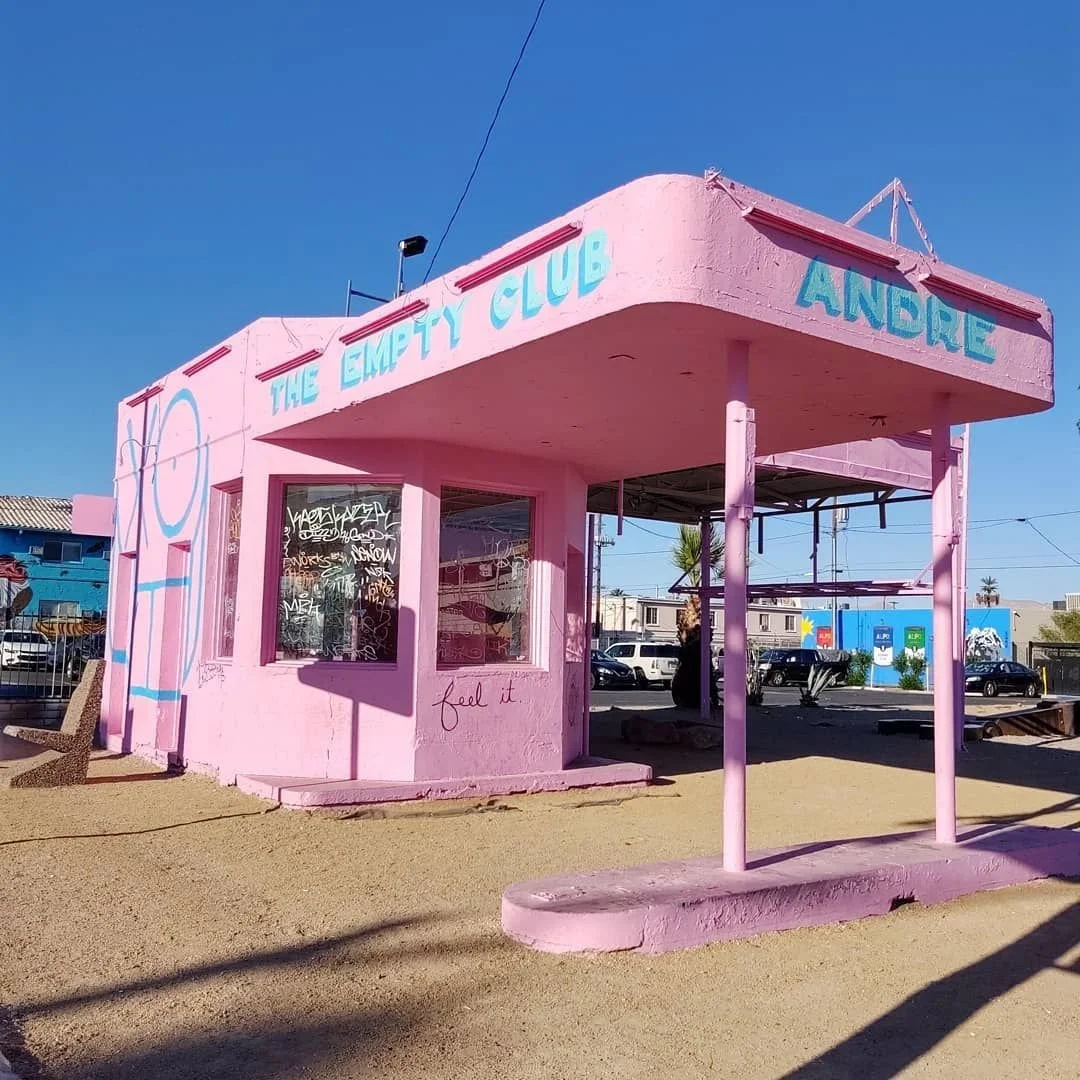
We all know the Hangover Hollywood Vegas: slot machines. Dry heat. Bachelor and bachelorette parties. Glitz. Wicked hangovers. Weekends fully unhinged. Regrets… sometimes even a quick divorce is needed.
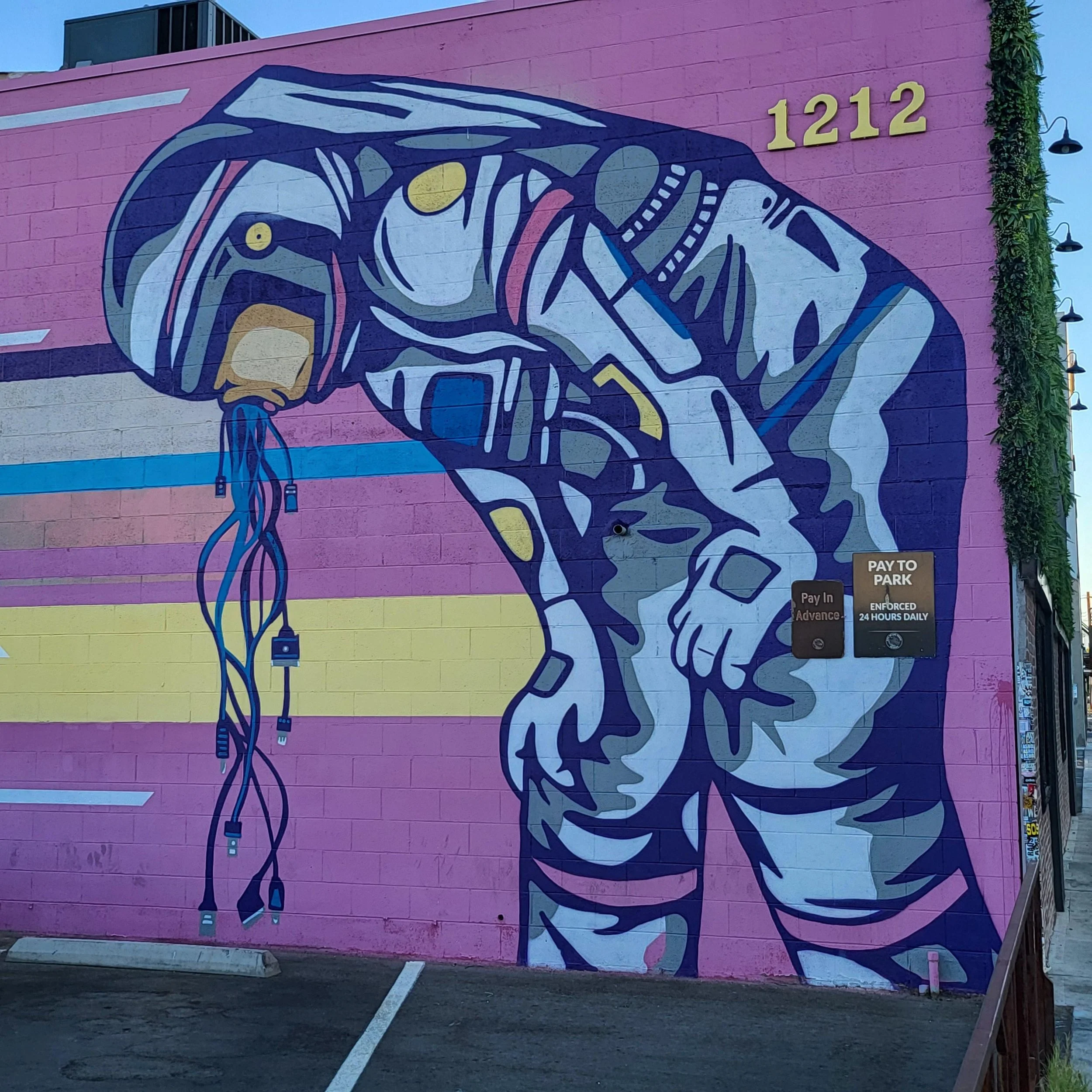
Vegas is notable for a different surprise around every corner.
Gambling. Debauchery. A place built on spectacle, where bigger somehow never feels big enough. But as someone who grew up partly in Las Vegas and has spent the past 20 years visiting Pops, I've been lucky enough to experience the city from a perspective many visitors never do.
I was both a local and a tourist. Curious enough to wander beyond the casinos, I found myself slowly peeling back the layers of the Vegas everyone thinks they know, discovering instead the soul of a city that has always been driven by creativity, reinvention, and bold ideas.
When you really look at Las Vegas and its history, it becomes clear that this has always been a place where artists gathered.
Long before murals covered warehouse walls in the Arts District, performers, musicians, dancers, costume designers, architects, lighting designers, sign makers, chefs, and entertainers were transforming the middle of the Mojave Desert into one of the most imaginative places in America. The Strip itself is a monument to creative ambition, built by people willing to dream bigger than most thought possible. In many ways, the desert became an open canvas for endless possibilities.
The Rat Pack helped define that spirit. Rat Pack members Frank Sinatra, Dean Martin, and Sammy Davis Jr. didn't simply perform in Las Vegas — they helped build its identity. Their shows blended music, comedy, improvisation, and effortless charm, turning live entertainment into an experience people traveled across the world to see. Las Vegas wasn't just a place to gamble. It was a place where talent was celebrated.
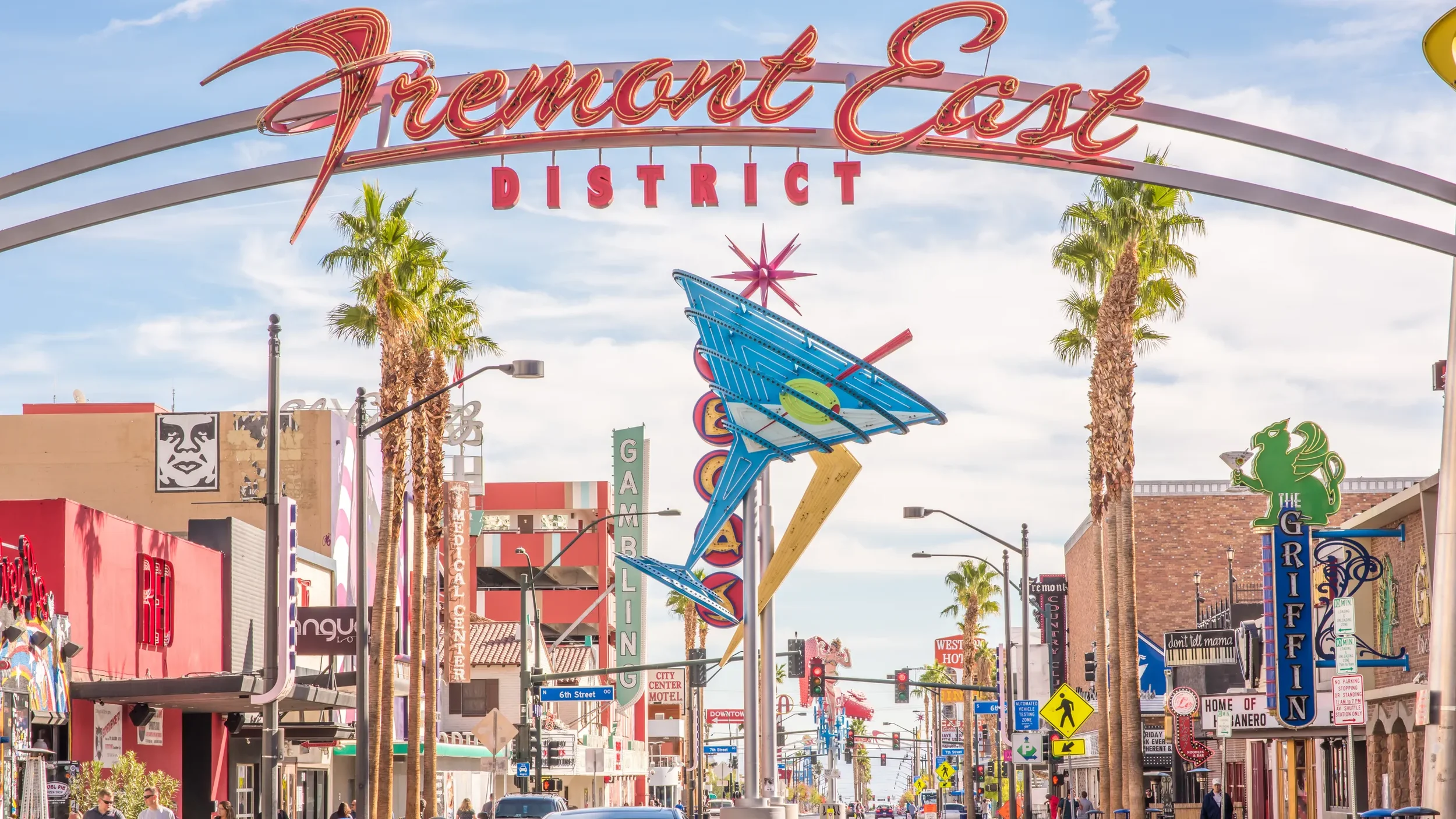
Vintage Vegas reflected that same generosity.
There were $1 slot machines, nickel blackjack tables, all-you-can-eat crab leg buffets (sadly, those are long gone), 99-cent shrimp cocktails, free parking, affordable steak dinners, lounge acts every night, handcrafted neon signs, and family-owned casinos that each had their own personality. Vegas was a place where ordinary people could spend a weekend surrounded by extraordinary entertainment without feeling like luxury was reserved for someone else.
Many performers found their footing there. Others became legends.
Over time, though, Las Vegas evolved. The city traded much of its affordability for luxury. Celebrity-chef restaurants replaced budget buffets. Mega-resorts replaced many independently owned casinos. Bottle service climbed into the thousands — sometimes tens of thousands — of dollars. World-famous artists now headline residency shows, while many visitors come searching for extravagance rather than discovery.
There's nothing inherently wrong with that evolution. Cities change.
But somewhere along the way, I think part of old Vegas quietly slipped into the background. That gritty, brilliant, beautifully imperfect soul of the city seemed to fade as it was replaced by polished luxury and curated perfection.
The good news, though, is that that soul never actually disappeared.
It simply moved.
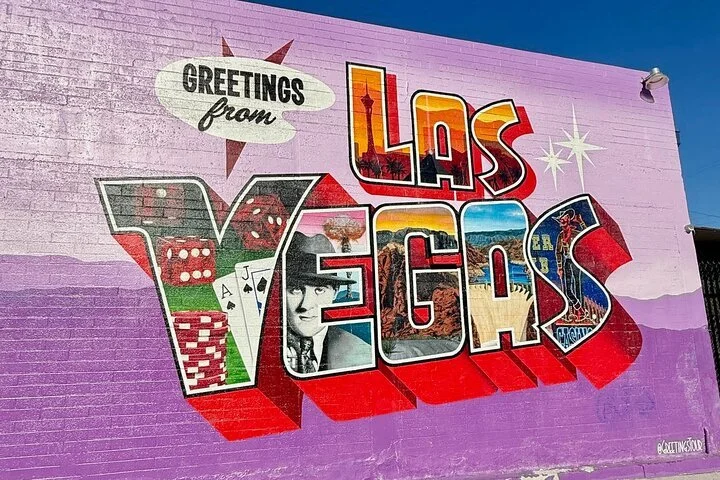
Today, if you want to experience a version of Las Vegas that still feels creative, independent, and deeply connected to the people shaping the city, head just beyond the Strip to the Arts District.
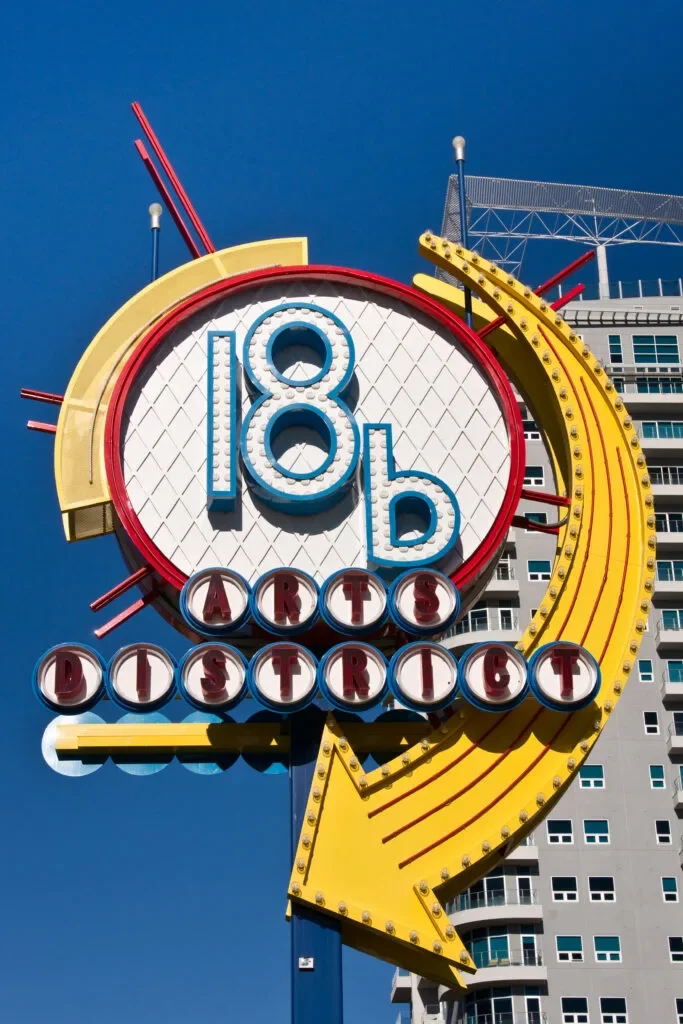
For me, this neighborhood feels like the heartbeat of modern Las Vegas. It carries echoes of Vintage Vegas-not because it's trying to recreate the past, but because it captures the same spirit that made the city so compelling in the first place. It's filled with artists, makers, vintage shops, local restaurants, galleries, murals, and small businesses that remind you Las Vegas has always been about people bold enough to create something where others saw only desert. Spend an afternoon wandering through the murals, popping into galleries, browsing antique stores, and chatting with local shop owners. You'll quickly realize this is a side of Vegas most visitors never experience.
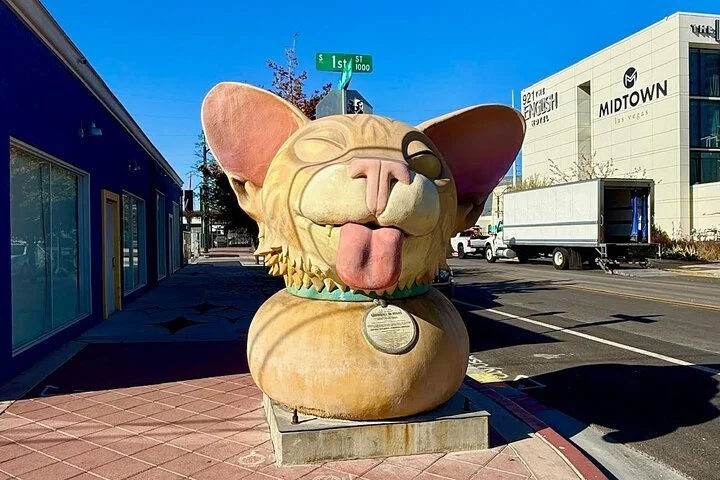
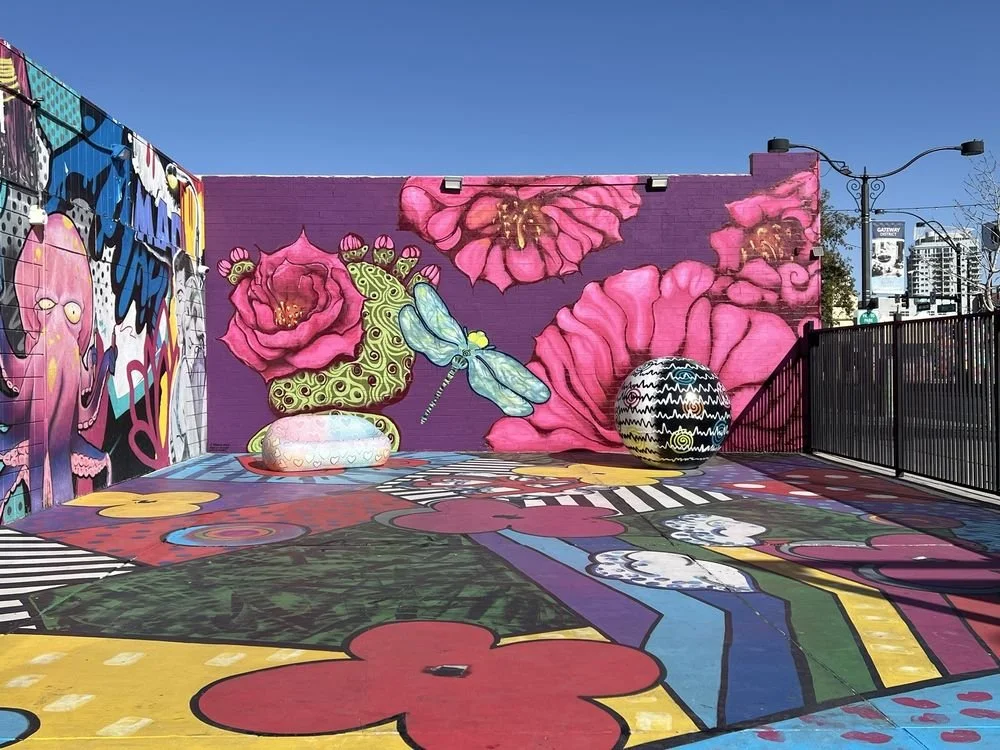
After wandering through the Arts District, head a few minutes east to Fergusons Downtown, and you'll find that the creative energy doesn't stop at the neighborhood's borders.
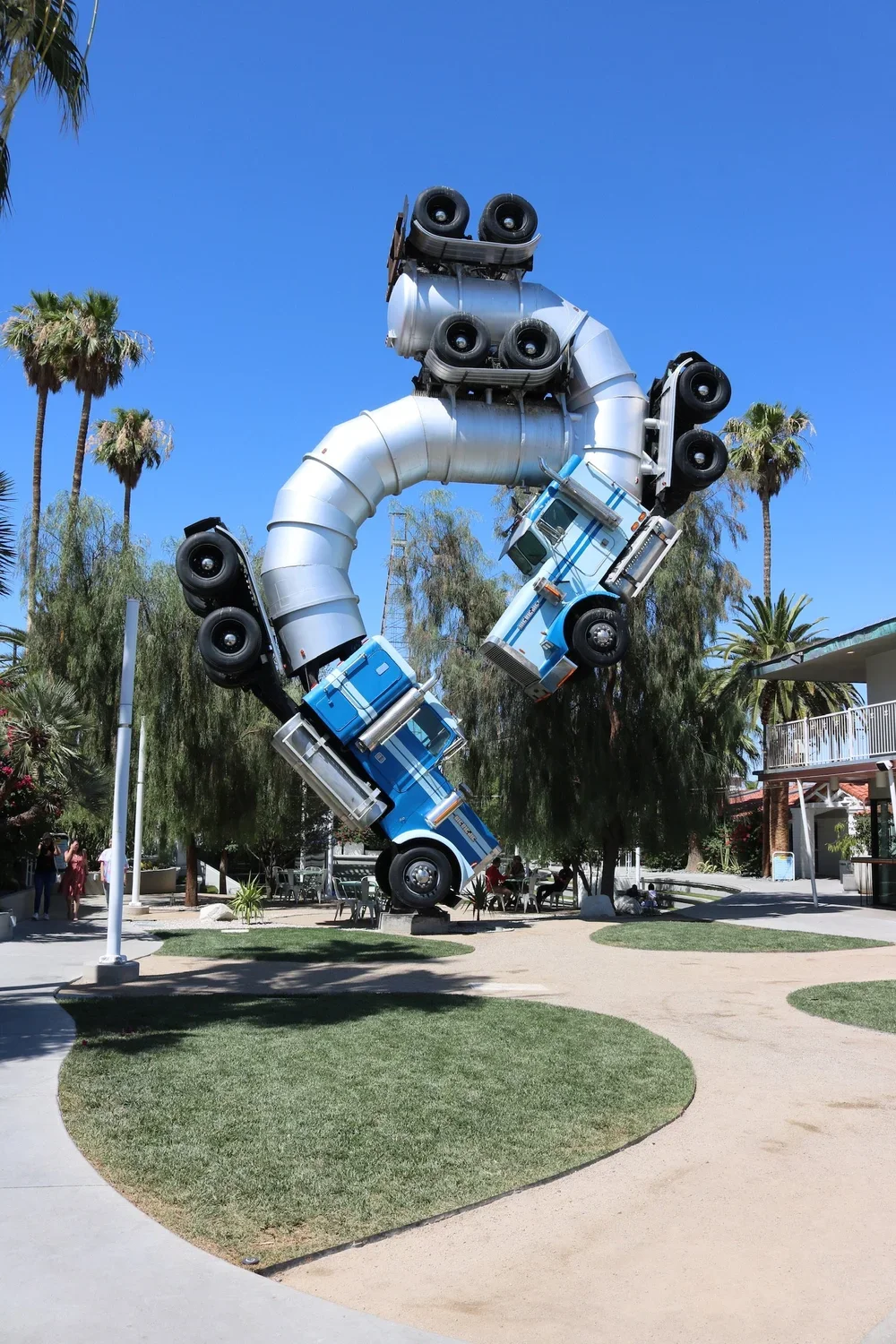
Housed in a restored 1940s motel, Fergusons feels like a love letter to old Las Vegas. Instead of being torn down, this piece of the city's history was thoughtfully reimagined into a gathering place for local businesses, independent boutiques, cafés, artists, & entrepreneurs. The former motel rooms now house small shops & studios, creating the feeling of a tiny creative village tucked into the middle of Downtown. Spend some time exploring the neighborhood, browsing local makers' shops, grabbing a coffee, & admiring the vintage motels that still hint at the city's past.
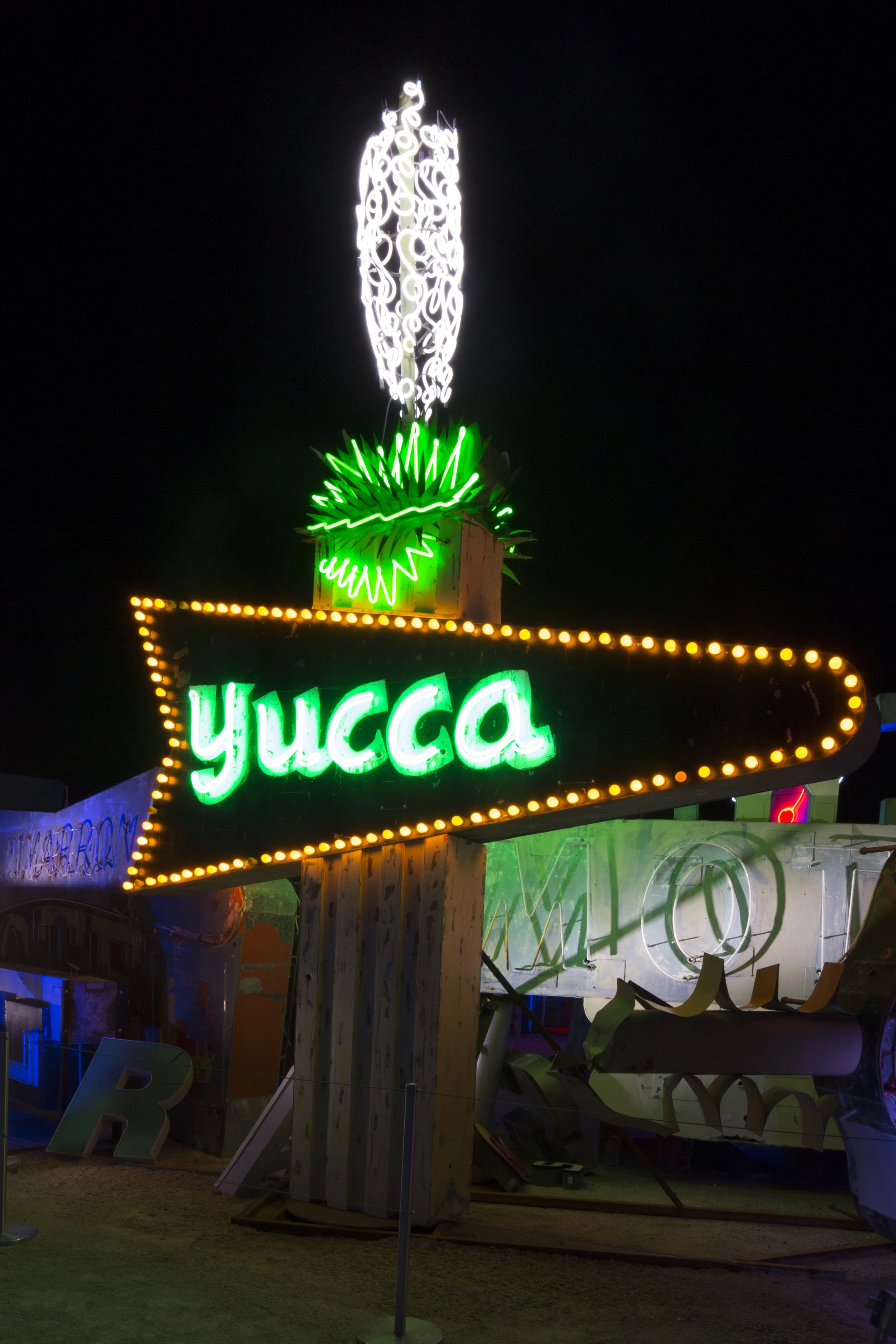
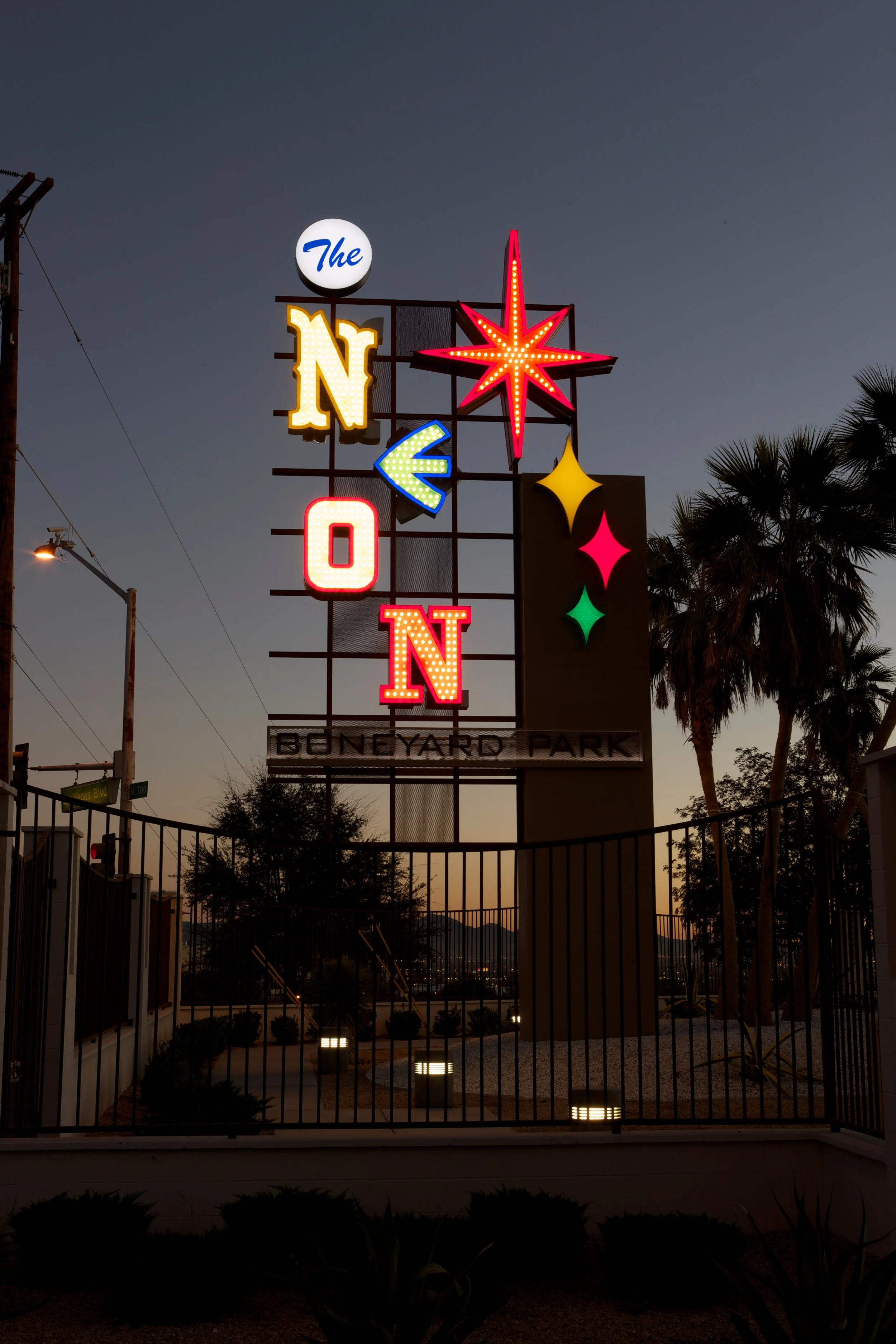
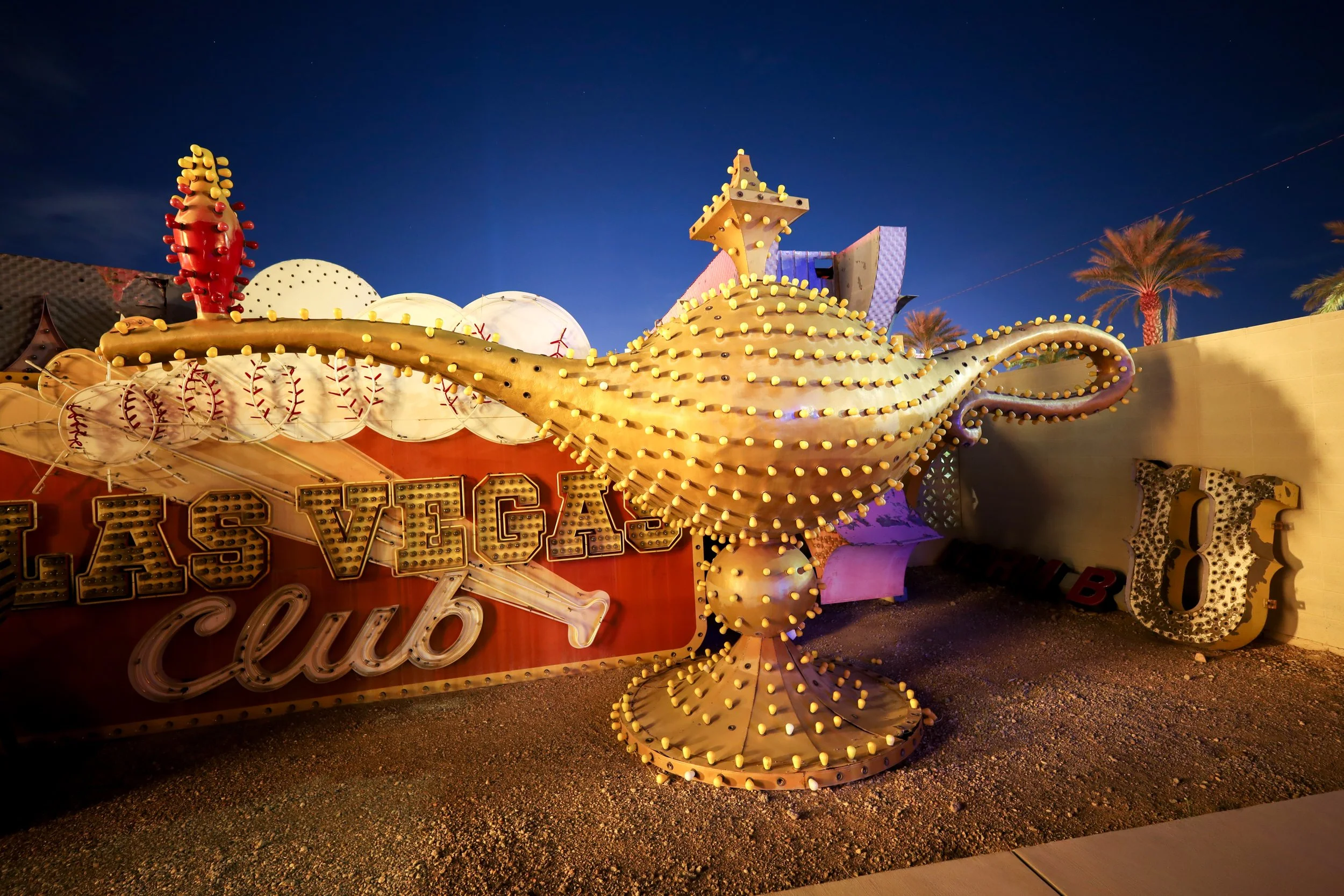
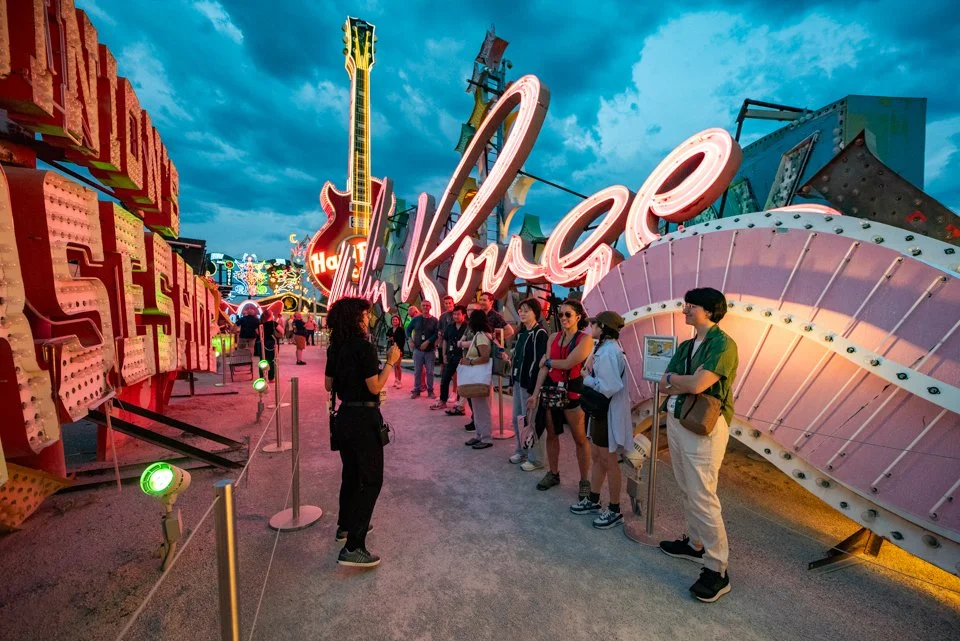
From there, make your way to the Neon Museum. Before giant LED screens took over the Strip, artists, welders, designers, & fabricators handcrafted these glowing works of art using bent neon tubing, steel, paint, & thousands of light bulbs. Walking through the museum feels like stepping through Las Vegas' own scrapbook — a collection of stories preserved in neon. While many people visit for the iconic photo opportunities, it's worth slowing down to appreciate the craftsmanship behind these towering signs. Many of them now rest in what the museum calls "The Boneyard," where visitors can wander among the city's most beloved relics. At night, several of the signs are illuminated once again, transporting you back to a version of Las Vegas that most of us never had the chance to experience but that somehow still feels familiar.
And perhaps that's the greatest illusion Las Vegas has ever pulled off — not convincing us that anything can happen, but convincing us that the Strip is the whole story.
Ironically, many people who actually live in Las Vegas rarely visit the Strip at all. Ask a local, and you'll probably get a laugh — or a groan. To them, it's crowded, expensive, and reserved for tourists. You couldn't pay my dad enough to go there. He avoids it like the plague.
The real Las Vegas exists in the neighborhoods beyond the casinos. It's found in conversations with local artists, in restored motels given new life, in hand-painted murals, vintage signs, and independent cafés, and in the people who continue doing what Las Vegas has always done best: creating something extraordinary in the middle of the desert.
So yes, Las Vegas is still a city of slots, glitz, bachelor parties, & the occasional wicked hangover. But if that's all you see, you've only experienced one version of it.
The Las Vegas I know is one where artists transformed an empty desert into an international stage. It's where old motels become creative villages, vintage neon is preserved like fine art, and murals keep telling the city's next story. It's a place that has always rewarded people bold enough to imagine something that didn't exist before.
Maybe that's the part of Vegas that isn't meant to stay in Vegas.
Megan Gazzo — community builder, teacher, writer, and comedian — believes in building up other artists and bridging together to form a more creatively expressive and fun world.